What is a Good Water Conditioner for a Fish Tank?
- indiefur677
- 3 days ago
- 6 min read
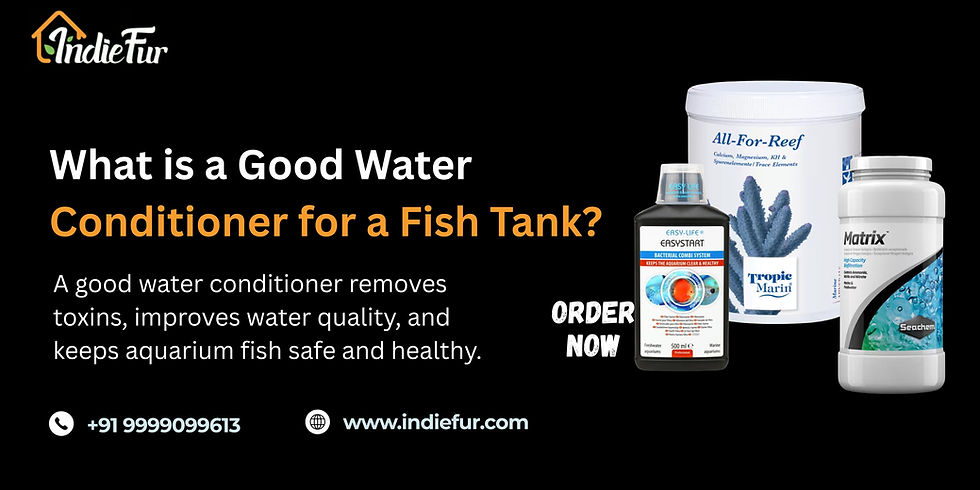
Choosing the right water conditioner is one of the most important steps in maintaining a healthy aquarium. Whether you keep freshwater or saltwater fish, water quality directly affects their health, growth, and lifespan. A Marine Aquarium Water Conditioner plays a key role in making water safe by removing harmful chemicals and creating a balanced environment where fish can thrive comfortably.
Fish live in water 24/7, so even small impurities can cause stress, illness, or long-term damage. Many aquarium owners focus on feeding and decoration, but clean and treated water is the real foundation of a successful fish tank. With proper water care and the right conditioner, your aquarium can become a safe and stable ecosystem.
Understanding What Makes Water Safe for Fish Tanks
Safe water for fish is not just clear water—it must be free from harmful chemicals and balanced in terms of pH, salinity (for marine tanks), and toxins. Tap water, although safe for humans, often contains chlorine, chloramine, and heavy metals that can harm fish instantly.
A good water conditioner removes these harmful substances and prepares the water for fish use. It also helps maintain stable conditions that prevent stress and disease. In marine aquariums, maintaining salt balance and mineral content is equally important.
Water safety also depends on biological balance. Beneficial bacteria inside the tank help break down waste and reduce toxic buildup. A proper conditioner supports this natural cycle instead of disturbing it.
Without proper treatment, even a clean-looking tank can become dangerous. This is why experienced aquarium keepers always treat water before adding it to the tank.
Key Benefits of Using Marine Tank Water Conditioner
Using a marine tank water conditioner provides several benefits that directly improve fish health and tank stability. It acts as a protective solution that neutralizes harmful substances and creates a safe environment for marine life.
One major benefit is chlorine removal. Chlorine is commonly found in tap water and can damage fish gills, making it difficult for them to breathe. A good conditioner neutralizes chlorine instantly.
Another benefit is detoxification. Over time, waste from fish, leftover food, and decaying matter produce ammonia and nitrites. These toxins can quickly harm fish if not controlled. Conditioners help reduce these toxic effects and keep the water safe.
Marine conditioners also help stabilize pH levels. Sudden changes in pH can stress fish and lead to illness. Stable water conditions allow fish to adapt better and stay active.
Additionally, many conditioners support fish slime coats. This protective layer helps fish defend against infections and environmental stress.
Role of Marine Water Detoxifier in Fish Health
A marine water detoxifier is designed to handle invisible threats that cannot always be seen in aquarium water. Even when water looks clear, it may contain toxins that affect fish health over time.
Detoxifiers work by neutralizing harmful substances like ammonia, nitrite, nitrate, and heavy metals. These toxins are commonly produced in aquariums due to biological waste and poor maintenance.
When toxin levels increase, fish may show signs like slow movement, loss of appetite, or unusual swimming patterns. In severe cases, it can lead to diseases or sudden death.
Using a detoxifier regularly helps prevent these problems before they become serious. It improves overall water quality and supports a healthier tank environment.
Detoxifiers are especially useful during:
New tank setup
Water changes
Adding new fish
Sudden water quality issues
Consistent use of detoxifying solutions ensures long-term stability and better fish health.
Why Fish Safe Marine Water Treatment Matters Most?
Not all water treatments are safe for fish. Some harsh chemicals can disturb the natural balance of the aquarium. This is why choosing a fish safe marine water treatment is very important.
Fish-safe treatments are specially formulated to remove harmful substances without affecting beneficial bacteria or fish health. They create a gentle and stable environment that supports long-term aquarium success.
Marine fish are often more sensitive than freshwater species. Even small changes in water chemistry can cause stress. Safe treatments help avoid sudden shocks and maintain a calm environment.
Another advantage of fish-safe treatment is compatibility with corals and other marine life. Reef tanks require extra care because corals are highly sensitive to water conditions.
Using trusted solutions from brands like IndieFur can help aquarium owners maintain safe water without risking fish health. A reliable product ensures that water treatment supports both fish and the tank ecosystem.
Features of a Good Water Conditioner for Fish Tank
A good water conditioner should offer multiple benefits beyond basic chlorine removal. It should improve overall water quality and support fish health in different ways.
Key features to look for include:
Chlorine and chloramine removal: Essential for making tap water safe
Ammonia detoxification: Helps reduce toxic buildup
Heavy metal neutralization: Protects fish from harmful elements
pH stabilization: Maintains consistent water conditions
Fish slime coat support: Strengthens natural fish protection
Compatibility with marine systems: Safe for saltwater tanks
A high-quality conditioner should act quickly and be easy to use. Clear dosage instructions are also important to avoid overuse or underuse.
It is always better to choose a conditioner that supports both fish health and the biological balance of the aquarium.
How to Use Marine Aquarium Conditioner Properly?
Using a water conditioner correctly is just as important as choosing the right one. Incorrect usage can reduce its effectiveness or even harm fish.
The first step is to read the instructions on the product carefully. Different conditioners may have different dosage requirements based on tank size and water condition.
Conditioner should be added:
Before adding new water to the tank
During regular water changes
When setting up a new aquarium
After adding new fish
It is important to measure the correct amount based on water volume. Overdosing can disturb water balance, while underdosing may not remove all harmful chemicals.
Mixing the conditioner with water before adding it to the tank ensures even distribution. This helps create a uniform safe environment for fish.
Regular use of conditioner keeps water quality stable and reduces the risk of sudden problems.
Common Mistakes While Treating Aquarium Water
Many aquarium owners unknowingly make mistakes while treating water, which can affect fish health. Avoiding these mistakes can help maintain a healthier tank.
One common mistake is using untreated tap water. Even a small amount of chlorine can harm fish quickly.
Another mistake is overusing chemicals. Adding too many treatments at once can disturb the natural balance of the aquarium.
Skipping regular water changes is also a major issue. Even with a conditioner, old water can accumulate toxins over time.
Ignoring water testing is another problem. Regular testing helps detect issues early and maintain proper conditions.
Lastly, not following proper dosage instructions can reduce the effectiveness of water treatment products.
Maintaining a balanced approach to water care is the key to a successful aquarium.
Signs Your Fish Tank Needs Better Water Treatment
Fish often show clear signs when water quality is not ideal. Recognizing these signs early can prevent serious problems.
Some common signs include:
Fish staying near the surface
Cloudy or smelly water
Sudden behavior changes
Loss of appetite
Visible infections or spots
Increased algae growth
These signs usually indicate poor water conditions or toxin buildup. Immediate action, including water treatment and cleaning, is necessary to restore balance.
Regular monitoring and maintenance can help avoid these issues and keep fish healthy.
Long Term Benefits of Proper Water Conditioning Care
Proper water conditioning offers long-term benefits for both fish and aquarium owners. Healthy water leads to healthier fish, which means fewer diseases and lower maintenance efforts.
Fish in well-maintained tanks tend to live longer, display brighter colors, and behave more naturally. Stable water conditions also reduce stress and improve immunity.
For aquarium owners, good water quality means clearer tanks, less odor, and fewer emergency treatments. It also creates a more enjoyable and relaxing aquarium experience.
Consistent care and proper use of conditioners can transform an average tank into a thriving aquatic ecosystem.
Learn More About Aquarium Fish Health and Care
If you want to understand fish health in more detail, you can also read our related guide: Why Water Quality Matters Most for Aquarium Fish Health?
This article explains how water quality directly impacts fish behavior, immunity, and overall well-being. It provides useful insights for both beginners and experienced aquarium owners who want to improve their fish care routine.
Conclusion
A good water conditioner plays an important role in keeping your fish tank safe and healthy. It helps remove harmful substances, improves water quality, and creates a stable environment where fish can live comfortably. Choosing the right solution and using it properly can make aquarium care much easier and more effective.
By focusing on regular maintenance and clean water, aquarium owners can support better fish health and long-term stability. Healthy water conditions not only improve the life of your fish but also make your aquarium more enjoyable to maintain. Clean and balanced water is truly the foundation of a successful fish tank.
FAQs
1. What is a marine aquarium water conditioner used for?
It is used to remove harmful chemicals like chlorine, ammonia, and heavy metals from water, making it safe for marine fish.
2. How often should I use a water conditioner in my fish tank?
You should use it during every water change and whenever new water is added to the tank.
3. Can I use freshwater conditioner in a marine aquarium?
No, marine aquariums require specialized conditioners designed for saltwater environments.
4. What does a marine water detoxifier do?
It neutralizes harmful toxins like ammonia and nitrites, helping maintain safe water conditions.
5. How do I know if my aquarium water is unsafe?
Signs include cloudy water, fish stress, unusual behavior, bad odor, and algae growth.


Comments